Applications
The jobs our applicators run every week — and what to spec for each.
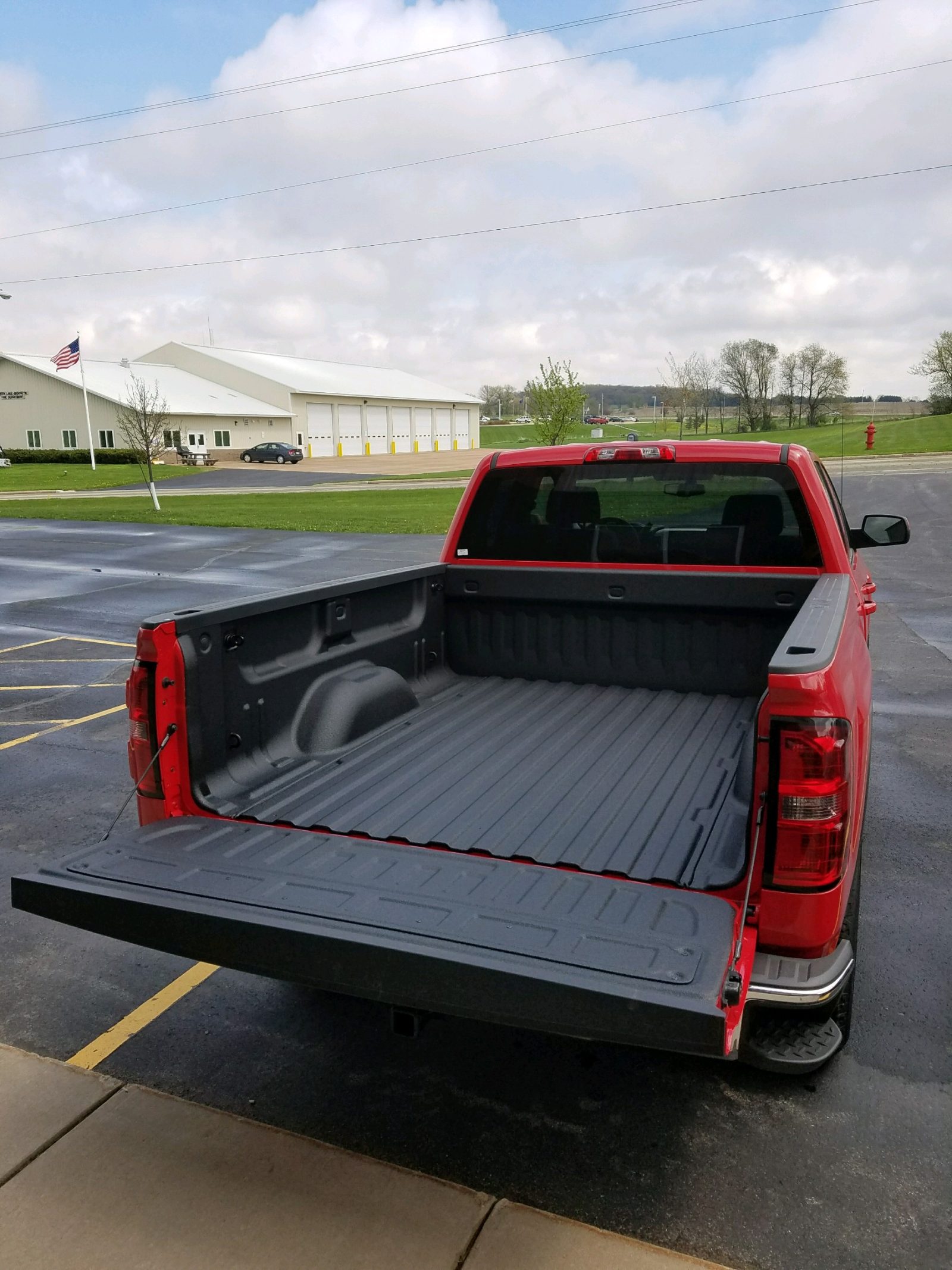
Truck Beds & Undercarriage
Road salt is the most aggressive corrosion driver most vehicles will ever see, and it attacks from underneath where nobody inspects until something structural gives.
A sprayed polyurea bed liner and underbody coating seals the bed floor, wheel wells, rocker panels, and frame rails as one continuous membrane. Unlike drop-in liners, there is no gap between liner and bed for salt water to sit in. Unlike rubberized undercoating, it does not go brittle and crack off in year three.
Spec: FJ1 at 60–80 mil on the bed floor and walls, OR93BL at 30–40 mil on frame and underbody. Same-day turnaround.
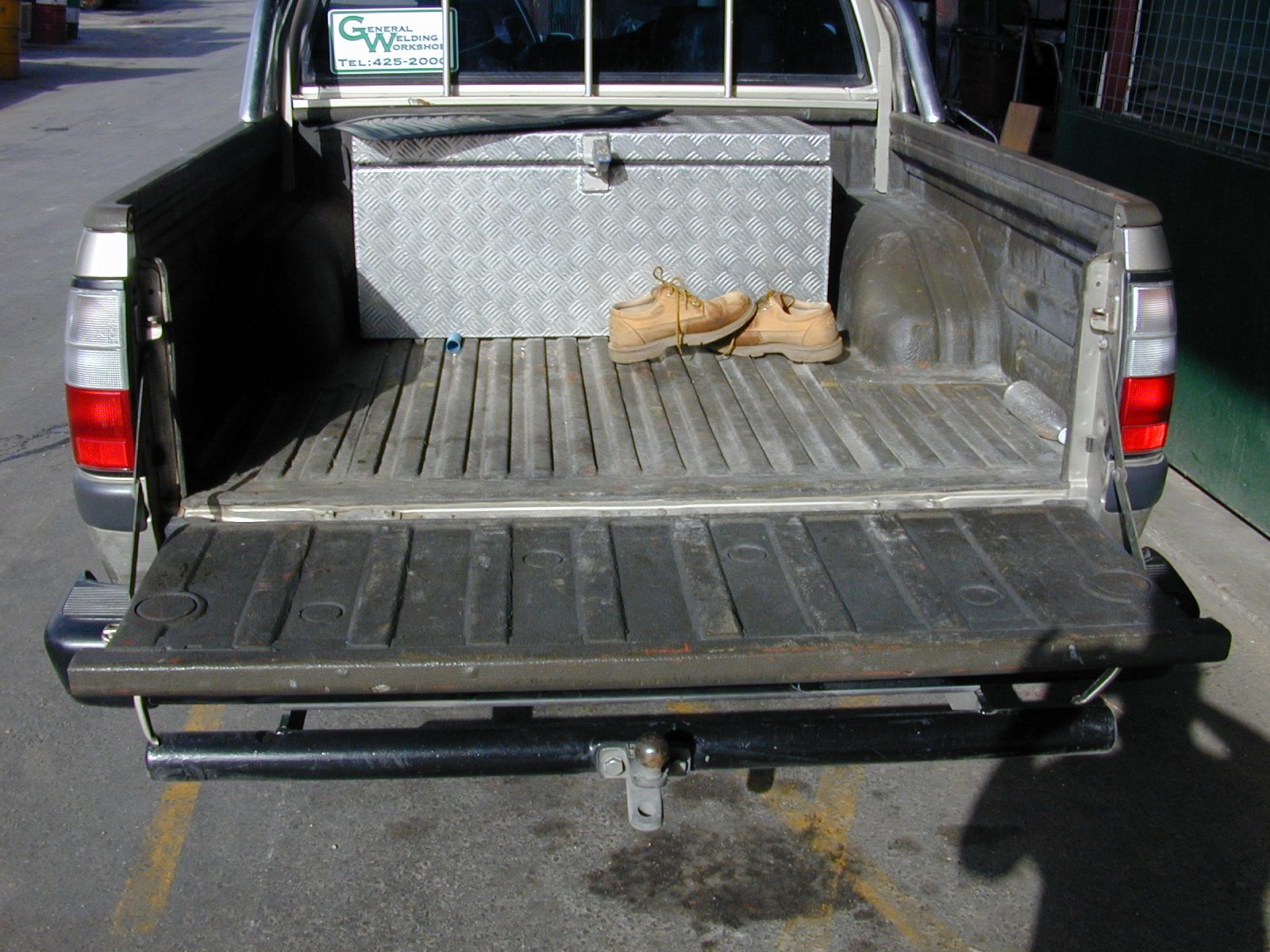
Metal Roofs, Bar Joists & Pole Barns
Agricultural and light-industrial metal buildings fail from the fastener holes and the panel laps outward. Once water gets under a panel, the corrosion is happening where you cannot see it and cannot paint it.
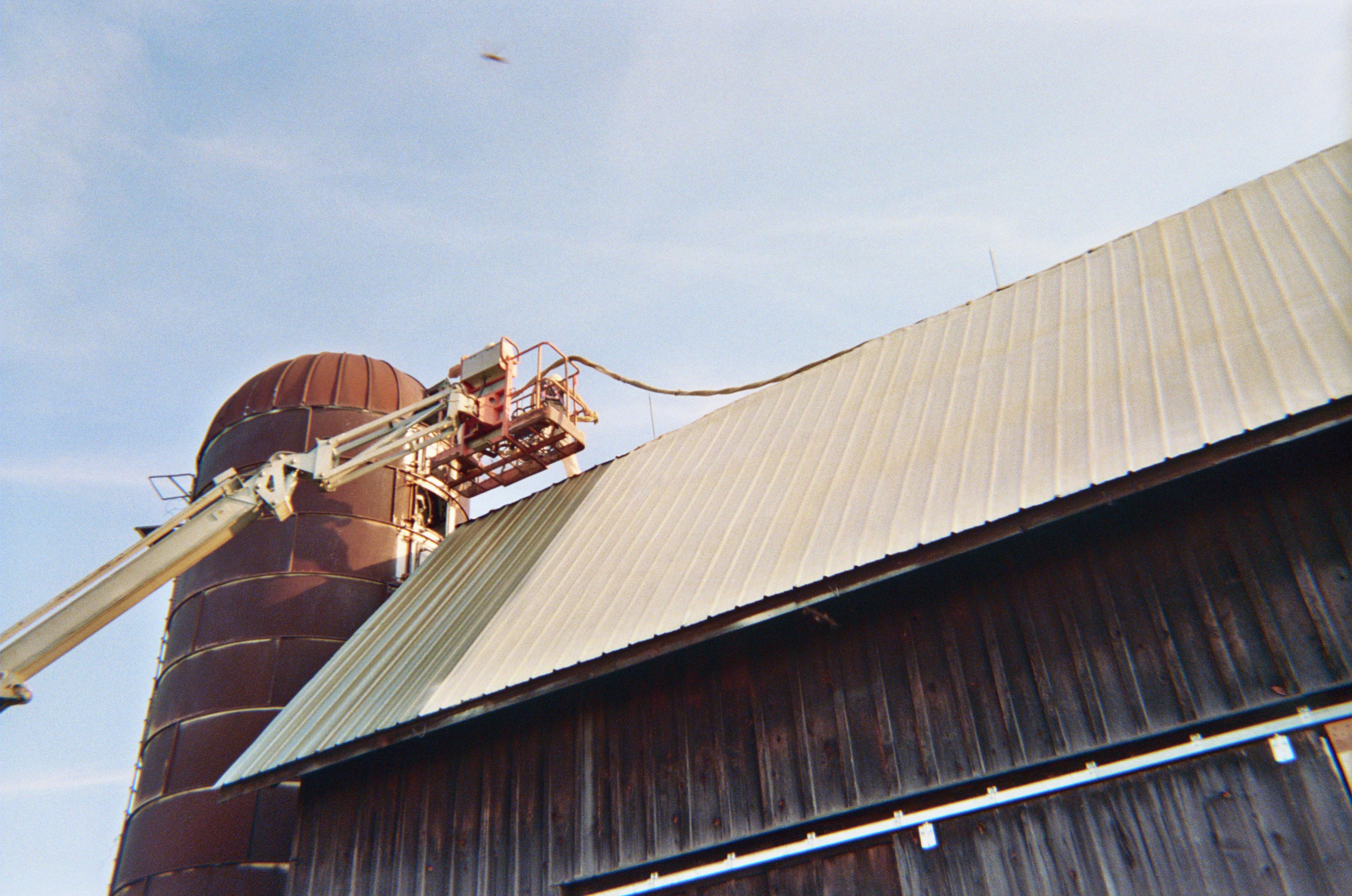
Spraying the roof as a single membrane eliminates every lap and fastener penetration at once. It also stops the condensation cycle on the underside of bar joists in livestock and wash-down buildings, which is where a surprising number of structural failures actually begin.
Spec: OR93BL at 40–60 mil over SP3-prepped panel with 7001 primer at laps and fasteners. FJ1 where hail is a factor.
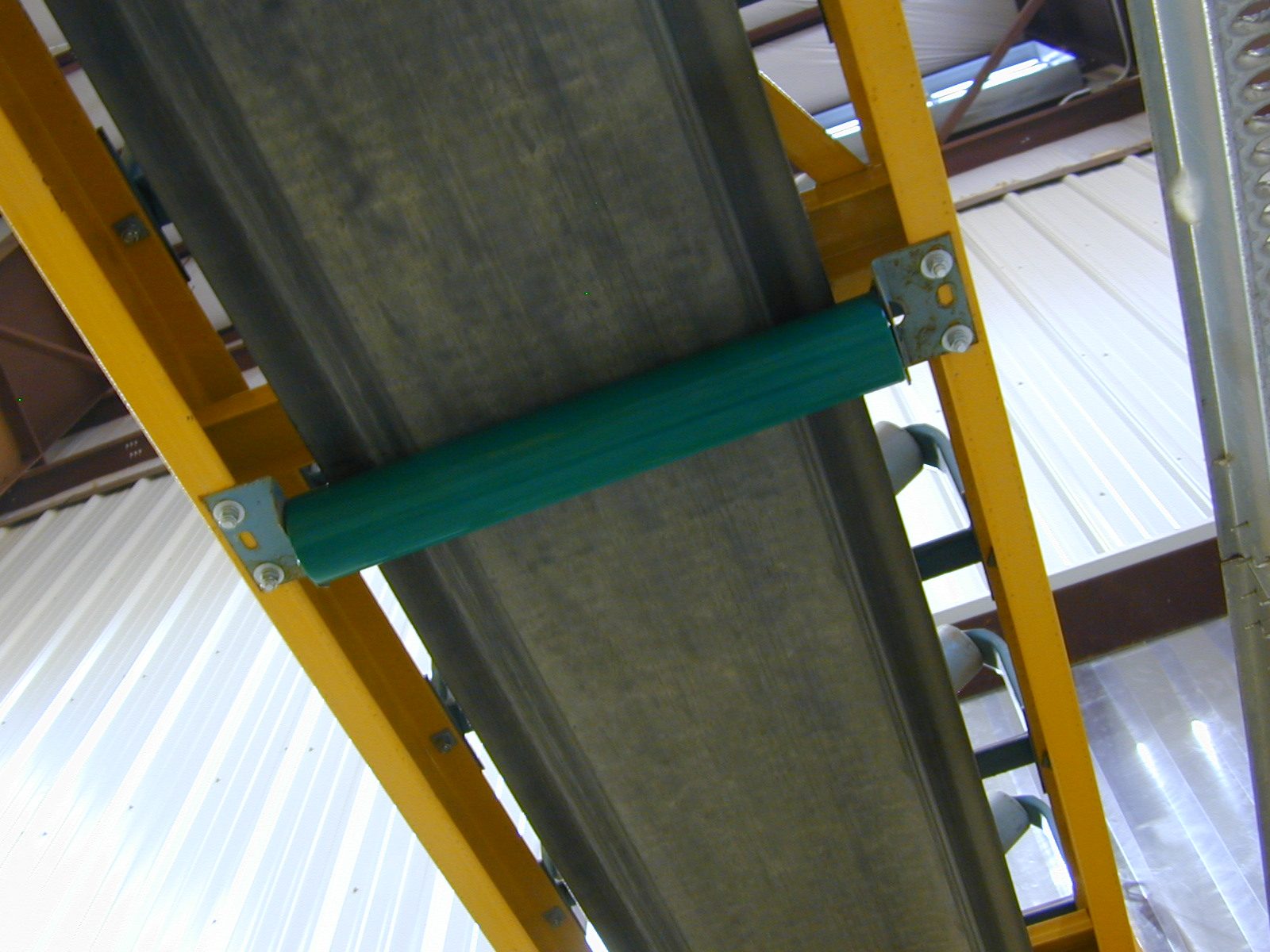
Conveyors, Chutes & Material Handling
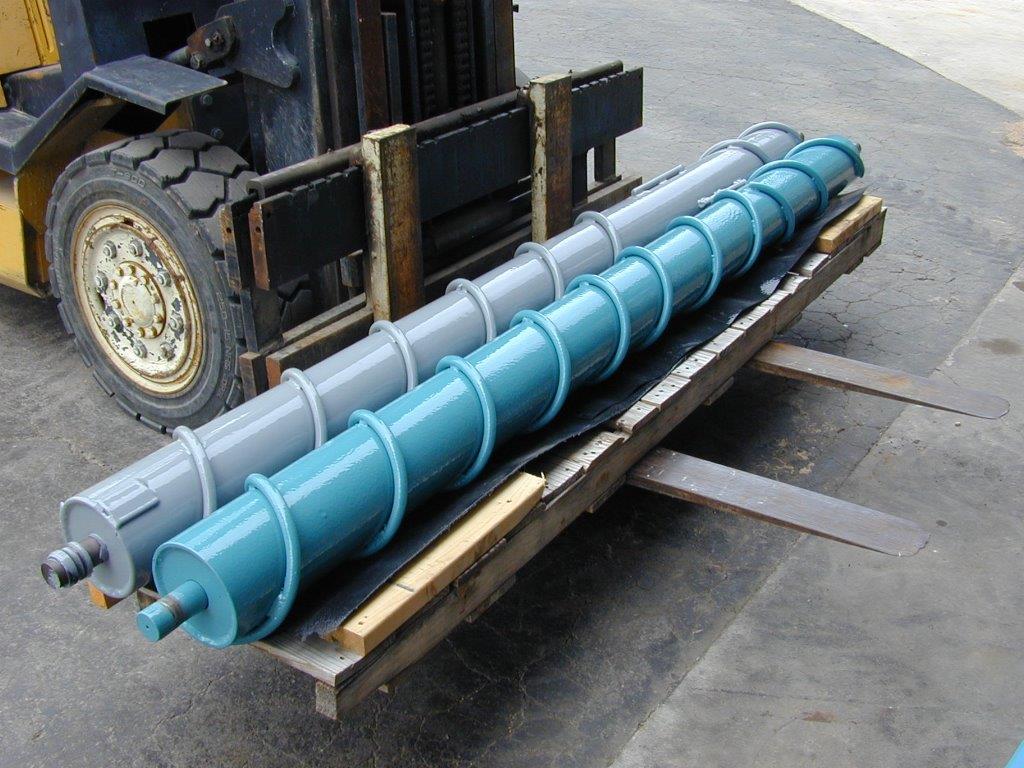
Material handling equipment fights corrosion and abrasion at the same time, which is exactly the combination conventional coatings handle worst. A coating hard enough to resist abrasion is usually too brittle to flex with the steel; one flexible enough to stay bonded wears through.
Polyurea resolves that: 300–400% elongation with tear strength in the 400–500 pli range. It flexes with the frame and still takes the wear.
Spec: Flak Jacket Pro at 80–120 mil on wear surfaces, OR93BL at 40 mil on structure and framing.
Farm & Ag Equipment
Fertilizer, manure, silage acids, and pressure washing — agricultural equipment sees a chemical environment most industrial coatings are never tested against, then gets left outside.
Harvester bodies, spreader beds, grain handling, livestock trailers, and feed equipment all benefit from a chemically resistant membrane that can be washed aggressively without film failure.
Spec: FJ1 at 60–80 mil on contact surfaces, OR93BL at 40 mil elsewhere.
Also Commonly Specified For
- Trailers and flatbeds — deck, frame, and wood floor sealed as one system
- Structural and fabricated steel — shop-applied before erection, or field-applied for maintenance
- Metal garages and equipment sheds — walls and roof, inside and out
- Marine hardware, docks, and davits — full salt-immersion and splash-zone service
- Tanks and secondary containment — chemically resistant, seamless, and inspectable
- Wood trailer decks and truck floors — waterproofs and adds a non-slip wear surface
- Fencing, railings, and gates — especially coastal and de-icing exposure
- Car and classic vehicle restoration — floor pans, frames, and wheel wells
Have an Application Not Listed Here?
We have probably coated it. Describe the substrate and the exposure and we will tell you honestly whether this system is the right answer.
Ask an ApplicatorGet Pricing & Spec Sheets
Tell us about your project and we will follow up with product details, technical data sheets, and pricing.